



Choosing the best time to perform Umrah is rarely as simple as picking a date off a calendar. One pilgrim wants the spiritual intensity of Ramadan. Others want to avoid performing Tawaf under the intense 45°C heat around the Kaaba. A third is working with a strict travel budget and needs the cheapest flights and hotel rates possible.
If you’ve searched for this topic, you’ve probably noticed the advice online is scattered: one site pushes winter, another swears by post-Hajj months, and a third only talks about Ramadan rewards. The best time for Umrah isn’t the same for everyone, it depends on what matters most to you.
This guide breaks the decision down into three practical lenses: weather, crowd levels, and budget, so you can match the calendar to what actually matters to you. Along the way, we’ll also point you toward the right Umrah packages for whichever season you choose.
What Determines the Best Time to Perform Umrah?
Before comparing months, it helps to understand the four variables that shift throughout the Islamic and Gregorian calendar year. Every recommendation in this guide comes back to one of these.
• Weather in Makkah and Madinah: desert temperatures swing from a mild 15°C in January to over 45°C in August.
• Crowd density at the Haram: Ramadan, Rajab, Sha’ban, and school holidays draw the largest numbers of pilgrims.
• Cost of flights, hotels, and packages: prices can double or triple during peak Islamic months compared to off-season travel.
• Personal circumstances: annual leave, school terms, physical stamina, and whether you’re traveling with elderly parents or young children.
Best Time to Perform Umrah Based on Weather
Saudi Arabia has a hot desert climate, and temperature is often the single biggest comfort factor for Tawaf, Sa’i, and long hours of standing prayer.
Winter (November – February): Coolest and Most Comfortable
Daytime temperatures in Makkah typically sit between 19°C and 31°C, dropping further at night in Madinah. This is widely regarded as the most physically comfortable window for elderly pilgrims, families with young children, and anyone performing Umrah for the first time.
Spring (March – April): Mild and Balanced
Temperatures begin climbing but usually stay manageable, often in the low-to-mid 30s°C. Spring works well if you want decent weather without the peak-season pricing of December and January.
Summer (May – August): Hot but Budget-Friendly
This is the harshest stretch of the year, with Makkah regularly exceeding 40–45°C. It’s genuinely tough for children, elderly pilgrims, and anyone with heat sensitivity. But if you’re young, healthy, and prioritize savings over comfort, summer delivers some of the lowest prices of the year.
Autumn (September – October): The Sweet Spot
Temperatures gradually fall into the low-to-mid 30s°C, humidity drops, and the punishing summer heat fades. Many seasoned pilgrims and travel advisors consider autumn the best overall balance of comfort, moderate crowds, and reasonable pricing, making it a strong contender for the best time to perform Umrah for most travelers.
Best Time to Perform Umrah Based on Crowd Levels
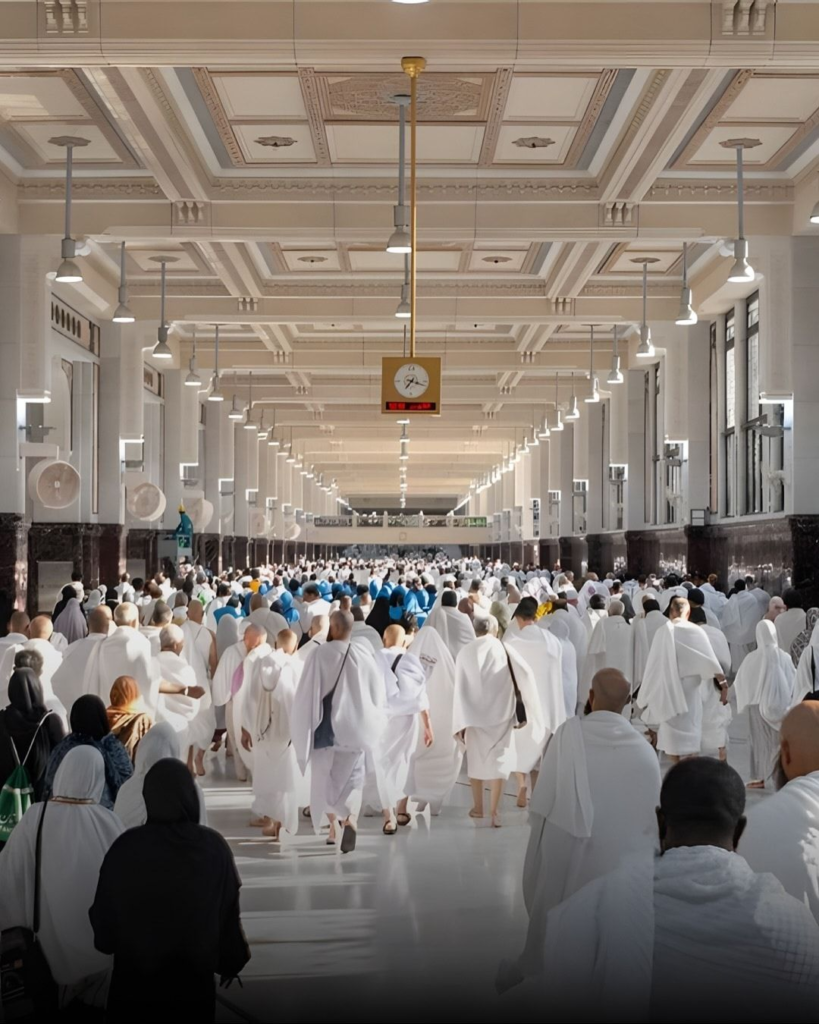
Crowd size affects everything from how long Tawaf takes to how close you can get to the Kaaba and how easily you can move through Masjid al-Haram.
Peak Crowd Periods to Avoid (If You Want Space)
• Ramadan: especially the last ten nights, when millions converge on Makkah for Laylat al-Qadr.
• Rajab and Sha’ban: the two months leading into Ramadan see a steady buildup in pilgrim numbers.
• School holiday periods: winter break, Easter, and summer holidays bring family travelers from around the world.
• Weeks around Hajj (Dhul-Hijjah): many travelers combine Hajj with an Umrah visit, so both cities stay busy.
Low-Crowd Months for a Peaceful Pilgrimage
The months immediately after Hajj, Muharram, and Safar are consistently the quietest of the Islamic calendar. Combined with September and early October in the Gregorian calendar, these periods offer noticeably thinner crowds, shorter queues, and more personal space for Tawaf and prayer near the Kaaba.
Best Time of Day Inside the Haram
Regardless of which month you travel, timing your rituals within the day matters just as much. The window between Fajr and mid-morning, and again between Dhuhr and mid-afternoon, tends to be noticeably calmer than the hours around Maghrib and Isha, when most pilgrims are gathered for prayer.
• Quietest hours: post-Fajr (5–8 AM) and early afternoon (12–3 PM).
• Busiest hours: late afternoon through Isha (4 PM–10 PM), when most pilgrims stay at the Haram.
• Local factor: Fridays draw extra local worshippers, since it’s the Saudi weekend.
Best Time to Perform Umrah Based on Budget
Cost is often the deciding factor for pilgrims planning their trip around annual leave or a fixed savings target. Flight and hotel prices in Makkah and Madinah swing dramatically depending on demand.
Cheapest Months for Umrah Packages
Muharram and Safar, right after Hajj season, along with September and October, typically offer the most affordable flights, hotel rates, and package pricing. Travelers willing to accept the summer heat can also find some of the year’s lowest fares in June, July, and August.
Most Expensive Months (and Why)
Ramadan is, by a wide margin, the most expensive time of year. Hotel rates near the Haram can climb to two or three times their off-peak level, and rooms often need to be booked six to twelve months in advance. Winter school-holiday weeks and the days surrounding Hajj also see noticeable price spikes.
Money-Saving Tips for Any Season
- Book flights and hotels 3–6 months ahead, even in off-peak months, since rates rise as dates approach.
2. Choose accommodation a short walk from the Haram rather than directly facing it, the price difference can be substantial.
3. Travel as part of a group package to access negotiated group rates on flights and transport.
4. Avoid ( Friday and Saturday)check-ins if possible, as higher local demand can sometimes lead to increased hotel rates.
5. Compare a fixed departure package against a custom itinerary; bundled deals are frequently cheaper than booking each element separately.
Month-by-Month Umrah Planning Snapshot
Here’s a quick-reference summary you can use to match your travel window to your priorities.
| Period | Weather | Crowd Level | Budget | Best For |
| Dec – Feb | Cool, mild (15–28°C) | High (winter rush) | Medium–High | Comfort seekers, families |
| Mar – Apr | Warm, pleasant | Medium | Medium | First-timers, balanced trip |
| Ramadan* | Varies by year | Very High | Highest | Maximum spiritual reward |
| May – Aug | Very hot (40–45°C) | Low | Lowest | Budget travelers, solo pilgrims |
| Sep – Oct | Cooling, comfortable | Low–Medium | Low–Medium | Best overall value |
| Nov | Mild, pleasant | Medium | Medium | Quiet pre-winter window |
Ramadan shifts roughly 10–11 days earlier each Gregorian year, so always confirm the exact dates before booking. Here you can explore our Umrah travel services for everyone who comes to perform Umrah. We provide an easy and peaceful experience.
Best Time to Perform Umrah by Traveler Type
Families & Elderly Pilgrims
Winter (November–February) or early spring is the safest choice. Cooler temperatures reduce the risk of heat exhaustion and make long hours of standing far more manageable. Consider a family-friendly Umrah package with accommodation close to the Haram to limit walking distances.
Budget-Conscious Travelers
Target Muharram, Safar, or the September–October window. You’ll get meaningfully lower flight and hotel prices without the extreme heat of peak summer.
Spiritually-Focused Pilgrims (Ramadan)
If experiencing Umrah during the holiest month of the year outweighs cost or comfort, Ramadan remains unmatched for its reward and atmosphere. Just plan far ahead, a good Ramadan Umrah package should be booked at least six months in advance to lock in reasonable rates.
First-Time Umrah Pilgrims
Autumn or spring is often recommended for first-timers, since moderate crowds make it easier to learn the rituals without feeling rushed. Pair your trip with a clear step-by-step Umrah guide so you know exactly what to expect at each stage.
So, What Is the Best Time to Perform Umrah?
In short: September and October offer the best overall balance of moderate temperatures, thinner crowds, and lower prices. Choose winter (November–February) for the most comfortable weather, Muharram or Safar for the lowest cost, and Ramadan if spiritual reward is your top priority, regardless of crowds or price.
Final Thoughts: Matching the Calendar to Your Priorities
There’s no single best time to perform Umrah that fits every pilgrim. The right month depends on how you weigh weather, crowd tolerance, and budget against the spiritual pull of Ramadan or the flexibility of the off-season.
At Majmua Travels, we help pilgrims match their travel dates to their real priorities, whether that means a peaceful autumn trip, a budget-friendly Umrah after Hajj, or a fully planned Ramadan journey. Review our current Umrah packages to compare pricing across seasons, or reach out to our travel advisors for a personalized recommendation.
Ready to plan your trip? Explore our website today at Majua Travels and find a date that fits your weather, crowd, and budget preferences.
Frequently Asked Questions About the Best Time to Perform Umrah
1. What is the overall best time to perform Umrah?
For most pilgrims, September and October offer the best balance of comfortable weather, moderate crowds, and lower prices. Winter suits comfort-focused travelers, while Muharram and Safar suit those prioritizing budget above all else.
2. Is Ramadan the best time to perform Umrah spiritually?
Yes. Umrah performed during Ramadan carries exceptional spiritual reward and a uniquely powerful atmosphere. However, it also comes with the highest crowds and prices of the entire year, so early booking is essential.
3. When is Umrah cheapest?
Umrah is generally cheapest during Muharram and Safar, right after the Hajj season, as well as in September and October. Summer months can also offer low fares, though extreme heat is a trade-off.
4. What is the coolest month to perform Umrah?
January is typically the coolest month in Makkah and Madinah, with comfortable daytime temperatures well suited to elderly pilgrims, families, and anyone sensitive to heat.
5. How far in advance should I book Umrah for the best price?
Book 3–6 months ahead for off-peak travel and at least 6–12 months ahead for Ramadan or winter holiday periods, when hotel availability near the Haram fills up quickly.
6. Is Summer a Good Time to Perform Umrah?
Summer isn’t ideal for elderly pilgrims or young children due to extreme heat, but it’s one of the most affordable and least crowded times of year for healthy adults who can manage the temperatures.